
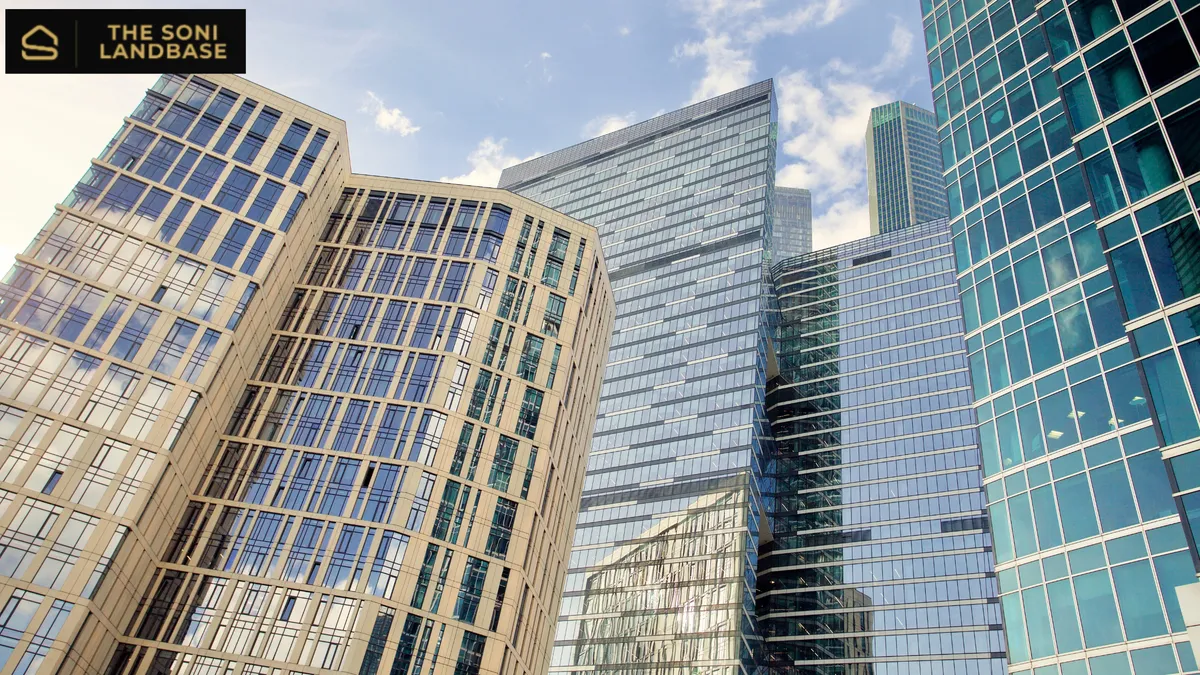
Gurugram has quietly become one of the strongest commercial property markets in North India. What used to be a city known mainly for residential apartments and gated townships is now home to corporate towers, IT parks, retail hubs, and mixed use business districts that attract both domestic and international companies.
For investors who have spent years building a residential property portfolio, this shift raises an important question. Is it time to diversify into commercial real estate?
This guide breaks down the five biggest reasons commercial property in Gurugram deserves a place in your investment portfolio, along with a realistic look at the pros, cons, and numbers behind the trend.
Why Gurugram Commercial Real Estate Is Getting So Much Attention
Before getting into the reasons, it helps to understand what changed. Gurugram sits right next to Delhi, has excellent highway and metro connectivity, and hosts a huge concentration of multinational companies, IT firms, and financial services businesses. This combination of location, infrastructure, and corporate demand is exactly what drives commercial real estate value.
Investors who understand this shift early tend to benefit the most, since commercial micro-markets mature in phases and early movers usually get better entry prices.
Reason 1: Rental Yields Are Significantly Higher Than Residential Property
This is usually the first thing that catches an investor's attention.
Residential properties in Gurugram typically generate rental yields in the range of 2 to 3 percent annually. Commercial properties, on the other hand, often deliver yields between 6 and 9 percent, depending on location, tenant profile, and lease structure.
Here is a simple comparison to show the gap:
| Property TypeTypical Annual Rental YieldTypical Lease Term | ||
| Residential Apartment | 2% to 3% | 11 months, renewable |
| Retail Shop (High Street) | 6% to 8% | 3 to 9 years |
| Office Space (Grade A) | 7% to 9% | 5 to 9 years |
| Warehousing / Industrial | 8% to 10% | 5 to 15 years |
The reason for this gap comes down to tenant type and lease structure. Commercial tenants, especially corporates and retail chains, sign longer leases and are generally willing to pay a premium for well located, well maintained spaces. This gives investors a more predictable and higher income stream compared to residential rentals, which are shorter term and more sensitive to tenant turnover.
Reason 2: Gurugram's Corporate and IT Ecosystem Keeps Expanding
Gurugram is home to a dense cluster of Fortune 500 companies, IT and ITES firms, financial institutions, and consulting giants. Business corridors like Cyber City, Golf Course Road, Golf Course Extension Road, and Sohna Road have developed into self-contained commercial ecosystems with office towers, business parks, hotels, and retail spaces all within a short distance of each other.
This corporate density creates constant demand for:
- Office space for company headquarters and satellite offices
- Retail and F&B outlets serving the working population
- Co-working spaces for startups and smaller teams
- Serviced apartments and business hotels for corporate travelers
As more companies expand their presence in Gurugram or shift operations from Delhi due to better infrastructure and lower costs, the demand for commercial space keeps growing. This is one of the strongest fundamentals supporting long term commercial property appreciation in the city.
Reason 3: Infrastructure Growth Is Directly Boosting Commercial Property Value
Gurugram's infrastructure has improved dramatically over the past decade, and several major projects are still underway. These developments have a direct and measurable impact on commercial real estate prices.
Some of the key infrastructure drivers include:
- Dwarka Expressway, which is improving connectivity between Gurugram, Delhi, and the airport
- Rapid Metro and metro extension projects connecting business districts to residential catchments
- Southern Peripheral Road (SPR), which has opened up new commercial corridors
- Improved road widening and underpass projects reducing commute times across business hubs
When infrastructure improves, commute times fall and accessibility increases. Both of these factors make a commercial property more attractive to businesses looking to lease space, which in turn pushes up both rental income and property valuation over time. Investors who buy into upcoming infrastructure corridors early often see stronger appreciation compared to those who wait until the area is fully developed.
Reason 4: Commercial Property Adds Real Diversification to an Investment Portfolio
Many investors in Gurugram already hold one or more residential properties. Adding commercial real estate to that portfolio is not just about higher returns. It is also about reducing risk through diversification.
Commercial and residential real estate respond differently to economic cycles, interest rate changes, and local demand shifts. Having exposure to both means your overall portfolio is not dependent on a single type of demand.
Commercial property also tends to act as a partial hedge against inflation, since lease agreements often include periodic rent escalation clauses. This means your rental income has a built in mechanism to grow over time, rather than staying fixed like many residential rental agreements.
Investors exploring this kind of diversification often start by reviewing curated commercial listings before making a decision. Platforms like The Soni Landbase put together verified commercial property options across Gurugram's key micro-markets, which makes it easier to compare locations, price points, and lease potential in one place before committing capital.
Reason 5: Long Lease Security With Institutional Grade Tenants
One of the most underrated advantages of commercial real estate is tenant stability.
Corporate tenants and established retail brands typically sign leases ranging from three to nine years, sometimes longer for anchor tenants in large developments. Many of these leases include lock-in periods, which protect the landlord from sudden vacancy. Some Grade A office spaces also operate on triple net lease structures, where the tenant covers property tax, insurance, and maintenance costs in addition to rent.
Compare this to residential property, where tenants often stay for a year or two and vacancies can happen more frequently, sometimes with gaps of a month or more between tenants. For an investor who wants dependable, low maintenance income, this level of lease security is a major point in favor of commercial property.
Pros and Cons of Investing in Commercial Real Estate in Gurugram
No investment decision should be made without looking at both sides. Here is an honest breakdown.
Pros
- Higher rental yields compared to residential property
- Longer lease terms mean less frequent tenant turnover
- Rent escalation clauses help protect against inflation
- Strong and growing corporate demand across Gurugram
- Some lease structures shift maintenance costs to the tenant
- Wide range of options, from retail shops to office floors to warehousing
Cons
- Higher upfront investment compared to residential property
- Loan to value ratios on commercial property loans are usually lower, requiring more equity
- Vacancy periods, though less frequent, can be longer to fill than residential vacancies
- Returns are more sensitive to micro-market selection and building quality
- Requires more due diligence on tenant profile, lease terms, and building compliance
Understanding these trade-offs helps set realistic expectations. Commercial real estate is not a passive, low effort investment. It rewards investors who do proper research and choose the right micro-market and property type for their goals.
What Investors Should Evaluate Before Buying Commercial Property in Gurugram
A good commercial investment decision usually comes down to a few key checks.
Micro-market selection matters more than the city level trend. Gurugram is large, and demand varies significantly between corridors like Cyber City, Golf Course Road, Sohna Road, and Dwarka Expressway. Each has a different tenant profile and price point.
RERA registration and compliance should always be verified. This applies to both under construction and ready to lease commercial projects, and protects the investor from delivery and title related risks.
Developer track record carries real weight. A developer with a history of timely delivery and quality construction reduces the risk of project delays and helps maintain tenant demand once the property is ready.
Lease structure and tenant mix should be reviewed carefully. A property already leased to a stable, reputed tenant is generally a safer bet than a vacant unit in an under-leased building, even if the vacant unit looks cheaper on paper.
Exit liquidity should be part of the plan from day one. Commercial properties in prime, well connected corridors tend to be easier to resell or re-lease compared to properties in newer or less established locations.
Taking the time to evaluate these factors before investing significantly reduces the risk of ending up with an underperforming asset.
Is 2026 a Good Time to Invest in Gurugram's Commercial Real Estate?
Given the ongoing infrastructure upgrades, sustained corporate demand, and rental yields that continue to outperform residential property, Gurugram's commercial real estate market remains an attractive option for investors looking to diversify. As always, the specific location, property type, and tenant quality matter more than the broad market trend, so due diligence remains essential.
Frequently Asked Questions
Is commercial real estate in Gurugram a good investment in 2026?
Yes, for investors seeking higher rental yields and long term lease stability. Gurugram's strong corporate presence and ongoing infrastructure development continue to support demand for office, retail, and warehousing space.
What is the average ROI on commercial property in Gurugram?
Rental yields typically range from 6 to 9 percent annually, depending on the property type and location, compared to 2 to 3 percent for residential property.
Which Gurugram micro-markets are best for commercial investment?
Cyber City, Golf Course Road, Golf Course Extension Road, Sohna Road, and the Dwarka Expressway corridor are among the most active commercial micro-markets in the city.
What is the minimum investment required for commercial real estate in Gurugram?
This varies widely based on property type and size, ranging from smaller retail units to large office floors, so it is best to compare specific listings and price points before setting a budget.
Final Thoughts
Commercial real estate in Gurugram offers a compelling combination of higher yields, longer lease security, and strong underlying demand from a growing corporate base. It is not without its trade-offs, particularly around upfront capital and the need for careful micro-market selection, but for investors looking to diversify beyond residential property, it remains one of the more promising options in the NCR region today.
If you are ready to explore verified commercial property options across Gurugram, request a curated commercial portfolio to compare locations, price points, and lease potential before making your next investment decision.